













Artificial intelligence doesn’t just refer to ChatGPT. In the workforce, it’s rapidly advancing machines and software.
According to a Dec. 21, 2025, report on CNBC, almost 55,000 U.S. employees were laid off in 2025 from companies including Amazon, Microsoft and IBM due to these advancements. This has shifted a new focus onto “AI-resistant” trade jobs.
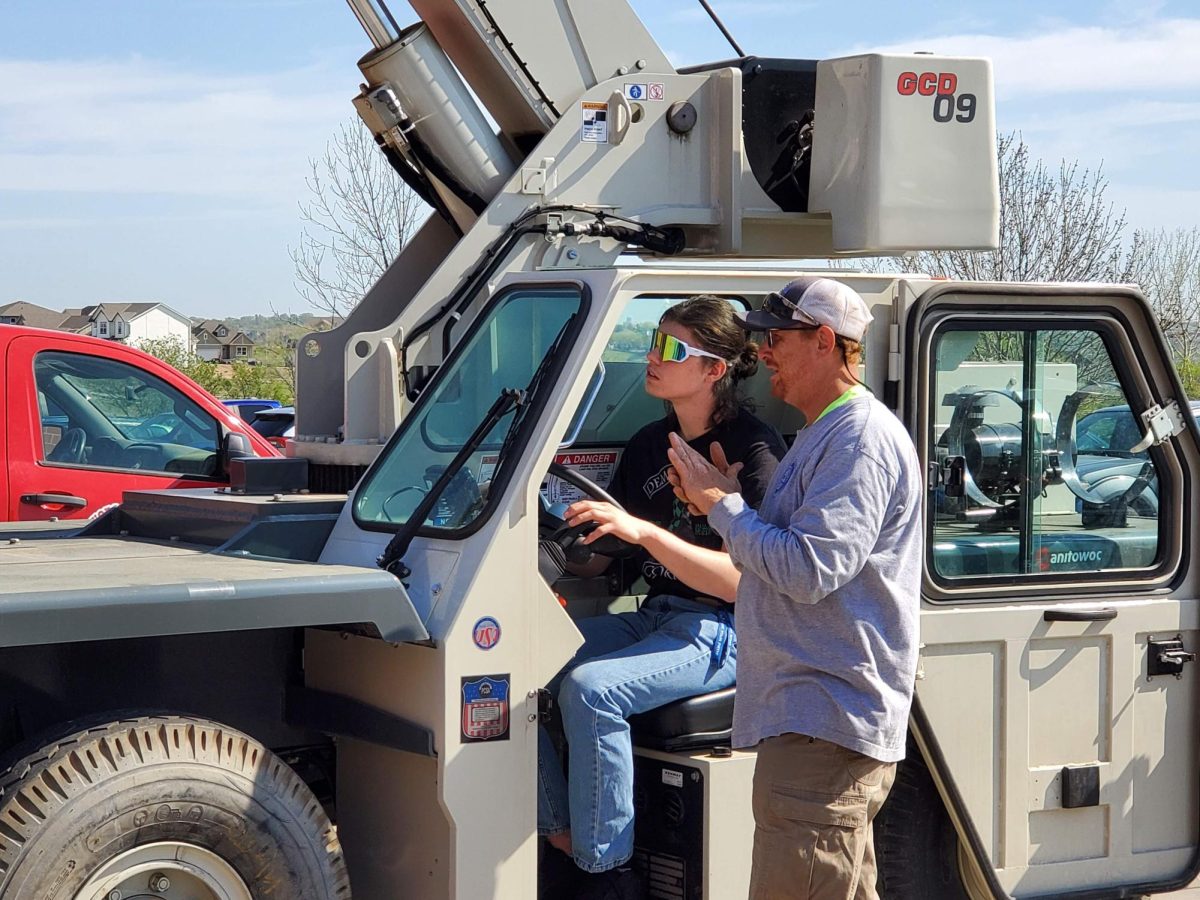
Papio South construction teacher Mr. Roger Campbell explained that, despite job concerns, AI’s impact isn’t all bad.
“Employers are still recruiting people. AI is just helping all of our processes become quicker, streamlined, and more accurate. It helps them become more efficient builders and maintenance people,” Campbell said.
In construction, AI adds proficiency to tedious tasks, eliminating unnecessary time used to do something.
“If you have building materials laying around a site and you fly a drone over top, you can survey it with a light and there are AI programs that determine what is currently on site and what you need,” Campbell explained. “A person doesn’t have to go through and do all the calculations. It’s more of a tool for us.”
“Drones can take surveys of hundreds of acres of ground, and it takes hours instead of days,” Campbell continued.
“Knowing where all your underground services are now takes so much time off of what it would normally take. Precision is the biggest thing with computers. It helps us become way more precise with our building. It’s such a helpful tool.”
Entry-level aspects of blue collar jobs aren’t likely to change, even with the development of AI, Campbell suggested: “It is going to be a long, long time before we see people not going to work. Every career field is in the same boat.”
Among students at Papio South, the trend toward trades is positive.
“More students that graduate from our programs are taking the option to go into trades,” Campbell said. “Ten years prior to this, you only saw kids going into the trades after they started college and realized it wasn’t for them, so they’d then find a different path they could enter and do really well.”
Senior Micah Melechson plans to go into the trades right out of high school, and, despite Campbell’s optimism, he expressed some concern about AI’s impact on his particular field of interest.
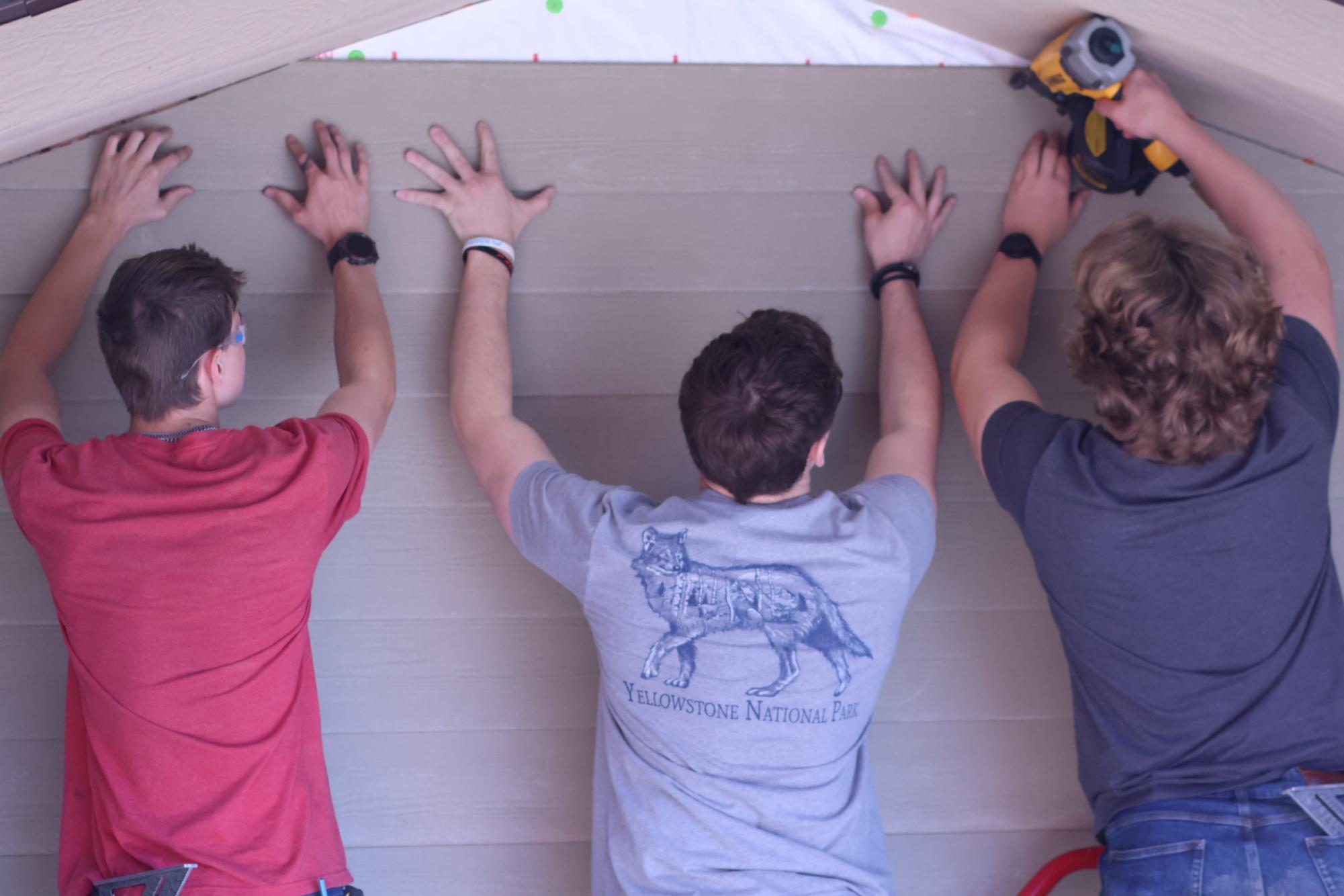
“Some companies already have workers in a simulation office and they just remotely control the machine from 100 miles away. In 10 years, the job is probably not going to exist anymore.”
Senior Thaddeus Doble has been involved in trades for more than eight years, and has plans to go into woodworking post-grad.
“In what we’re doing, you can definitely see how you can use AI for different concepts, designs and ideas,” Doble said. “… Architects use it for the same kind of purpose, and it can really help form general concepts.”
For other trades, AI might be less useful, Doble said.
“As far as a framer, they could never use it, because even if they tried to rely on it to do math, that would never fly. You have to rely on what you know. You always have to have a backup for when the systems fail,” Doble said.
Although AI is reshaping the workforce, it seems trades jobs have some insulation against any immediate threat.
“I don’t think that could ever replace jobs,” Doble said. “It definitely reduces the difficulty of tasks, but at the end of the day, you still need those people to run everything and double check it – because you can’t throw a computer out there and trust it will code and do everything correctly.”