




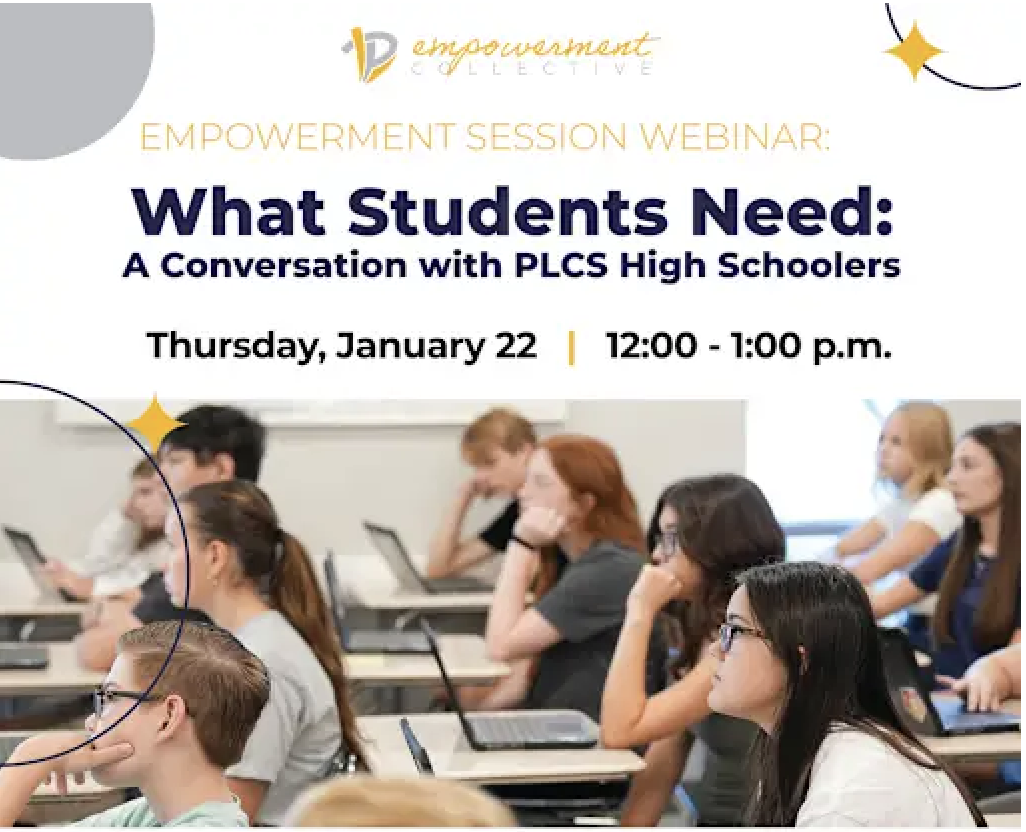
Students at Papillion La Vista South and Papillion La Vista High School had the opportunity in late January to speak directly with teachers and families during a virtual Student Empowerment Session, a Zoom meeting designed to better understand what students need in today’s schools.
The conversation, led by Communications Director Dr. Christopher Villarreal, focused on listening to student experiences and perspectives about the realities of high school life today.
For Villarreal, student empowerment is about more than simply hearing from students; it means giving them real influence.
“Student empowerment means creating spaces where young people have genuine influence over decisions that affect their lives,” Villarreal said. “It’s about equipping students with the skills, confidence, and platforms to advocate for themselves and their peers.”
During the session, students shared their perspectives while viewers listened. Villarreal explained that including student voices was critical when discussing policies and support systems.
“Students are the experts on their own experience,” he said. “Adults simply can’t design effective solutions without their input.”
To ensure a variety of perspectives, Villarreal worked with school counselors to identify students who represent different experiences across the district.
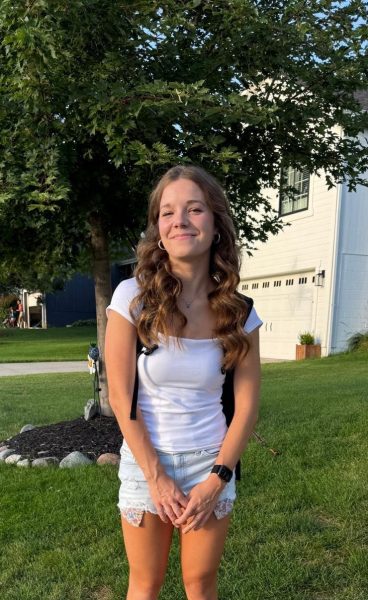
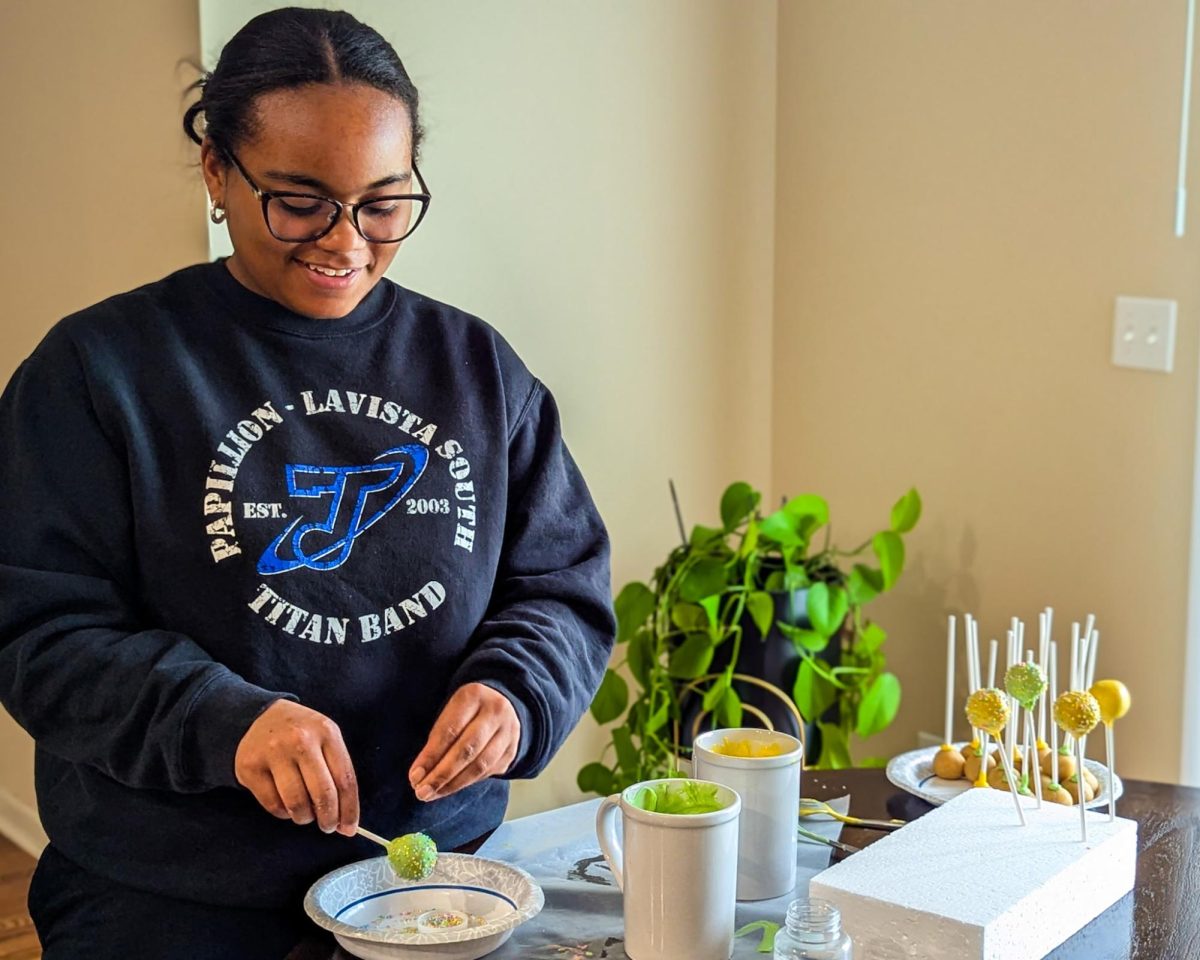
One of those students was Lyric Judson, a junior at Papillion-La Vista South. When Judson was first invited to participate, the experience came with a bit of uncertainty.
“Ms. [Renee] Mead called me to the office and I was a little confused about what it would be about, because she gave me a broad, overarching theme of what it would be like, but not the specifics of it.” Judson said. “I just thought it would be like me in the Zoom with other students, and then parents would ask questions directly to us, but it wasn’t really like that, because it was more like Dr. Villarreal would ask you a question and there were parents in the Zoom.”
Despite the initial uncertainty, Judson took the responsibility seriously, knowing she was helping represent other students’ experiences.
“I think everyone has different experiences in high school, but I can only talk about what I’ve experienced, so I try my best to help people understand how high school works and how even though I have different experiences, everyone kind of has the same type of experience, it’s just in different ways,” she said.
One theme that stood out during the discussion was how differently adults and students sometimes saw the same issues.
“Adults often focus on systems and logistics,” Villarreal explained, “while students cut straight to the human impact. They talk about how experiences feel in the moment, which sometimes challenges assumptions adults have made.”
Students also highlighted how much the high school experience had changed in recent years — especially because of social media.
“I think that it’s a lot different now, like with social media and everything. A lot of students know about different types of students just through social media.” Judson said. “I think overall it’s a lot more stressful now because there are so many ways to get to know people.”
Judson also emphasized the importance of students supporting one another and speaking up when someone needs help.
“Reaching out is a really good way to get to know someone in the first place, and if they do need that help, share it with others in a respectful way, like advocating for others if they don’t have that voice or they’re not confident enough to do it. Just be that bigger person that they can lean on,” Judson explained.
For Villarreal, hearing those insights directly from students was one of the most meaningful parts of the discussion.
“I was struck by how clearly students articulated the gap between adult intentions and student experience,” he said.
The conversation seems especially important right now, Villarreal said, as students navigate new challenges.
“High schoolers today are facing unprecedented challenges — from social media to mental health to academic pressure. They need to know that adults are listening and willing to evolve,” he said. “As someone who used to teach and coach, I know that when students feel heard and valued, they show up differently. That’s the foundation for everything else we’re trying to accomplish.”
The empowerment session was not a one-time event. Instead, it was part of the district’s ongoing effort through the PLCS Empowerment Collective to continue gathering insights from students and families.
For Judson, the conversation helped highlight why student voices matter.
“I would say it’s really important, the younger generations are kind of looked down upon just for all of the resources that we have now that they didn’t have in the past,” she said. “So I think just as a whole, we need to share our experiences so people can understand where we come from, because I think it’s really easy to be misunderstood.”