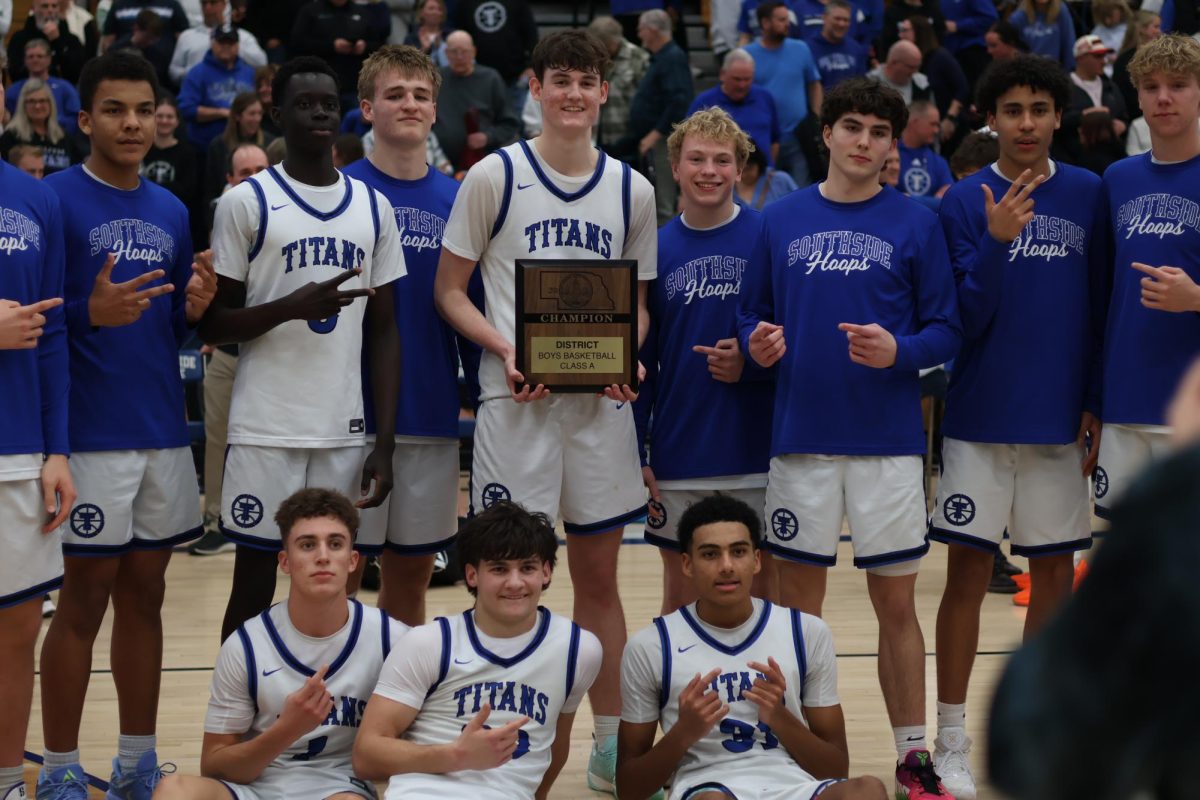





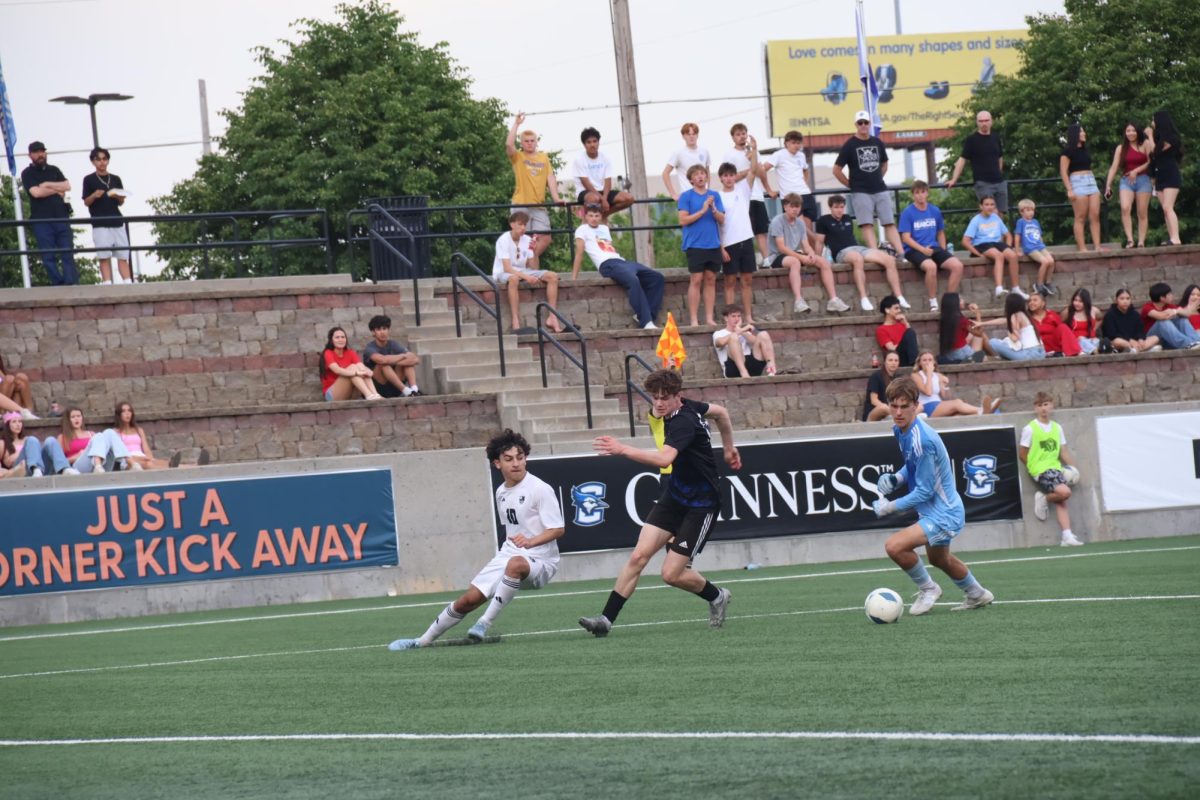
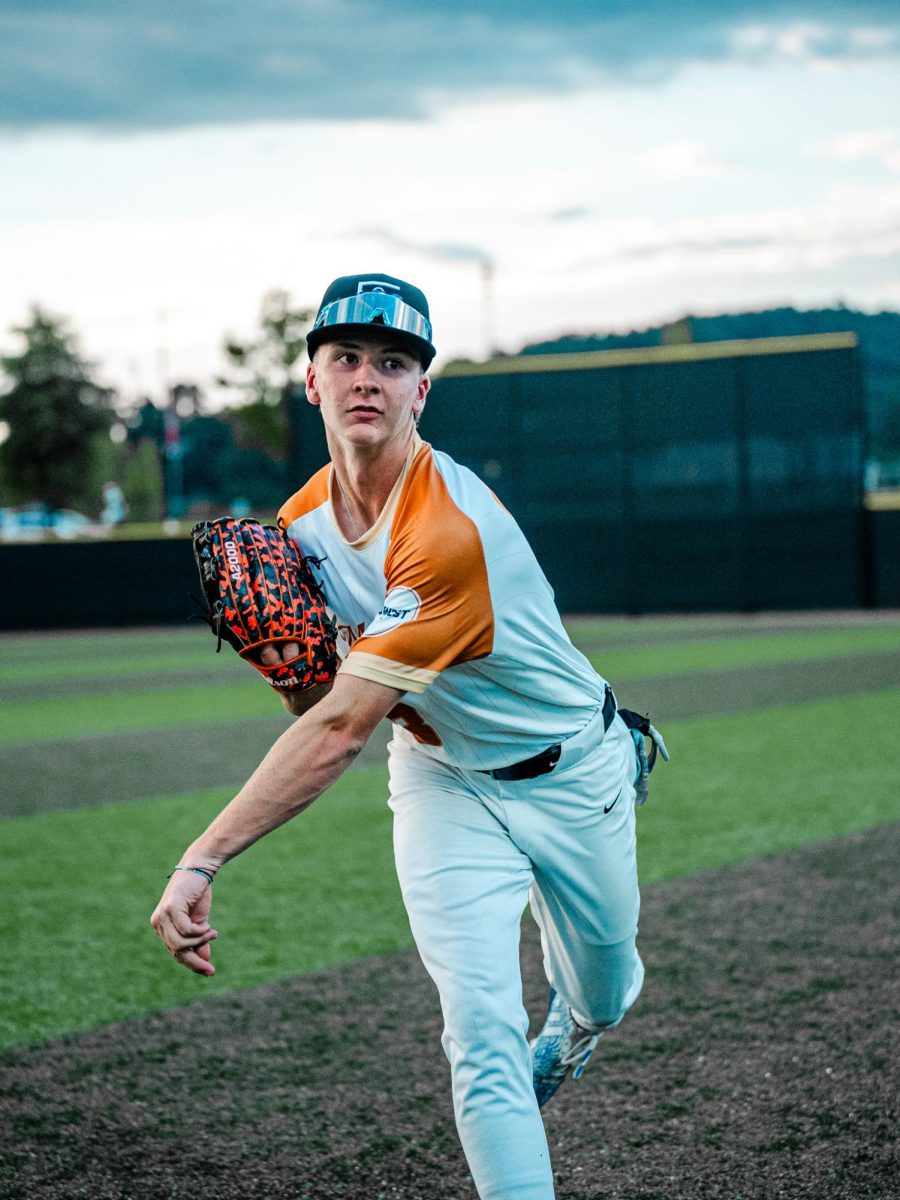
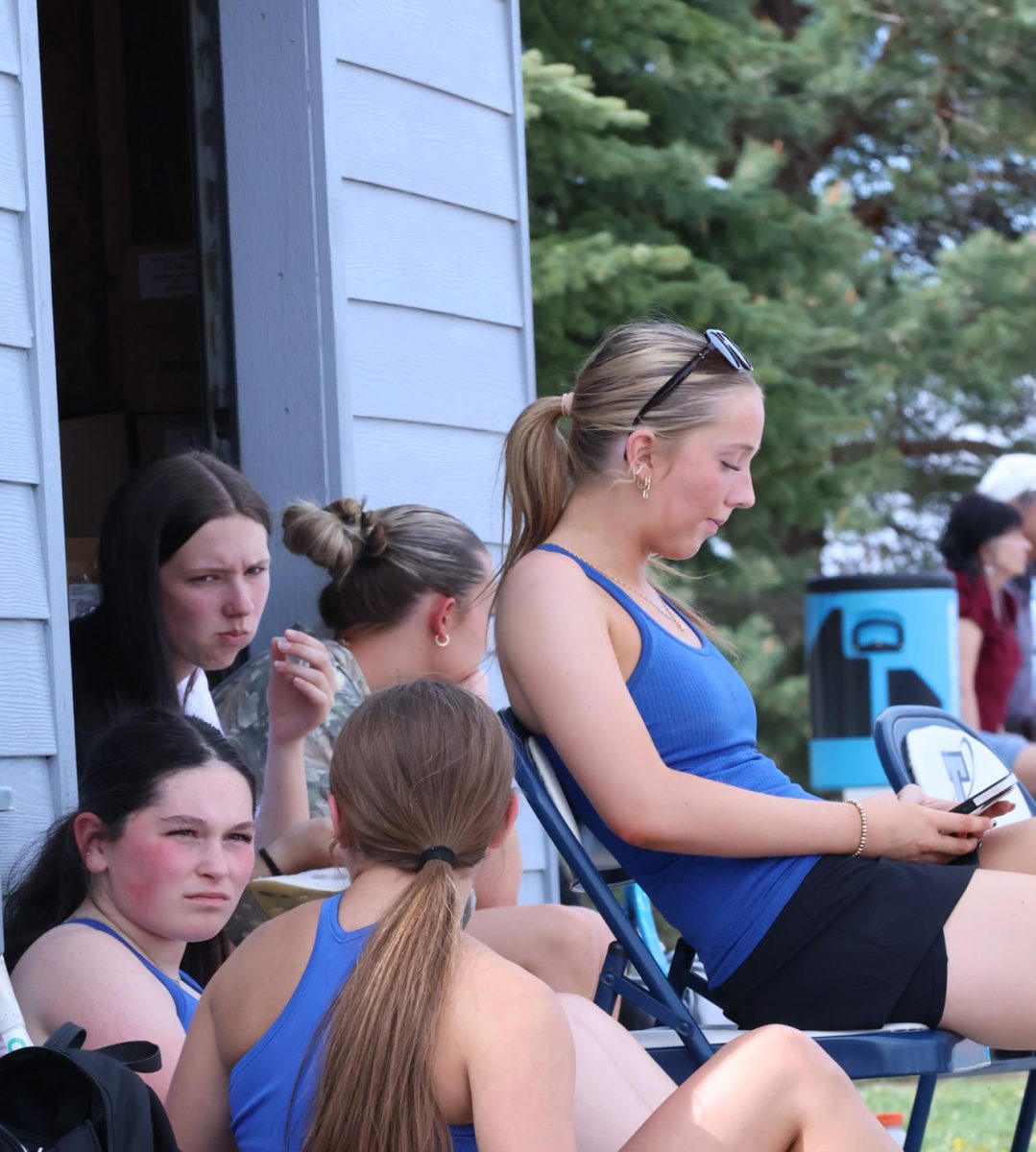
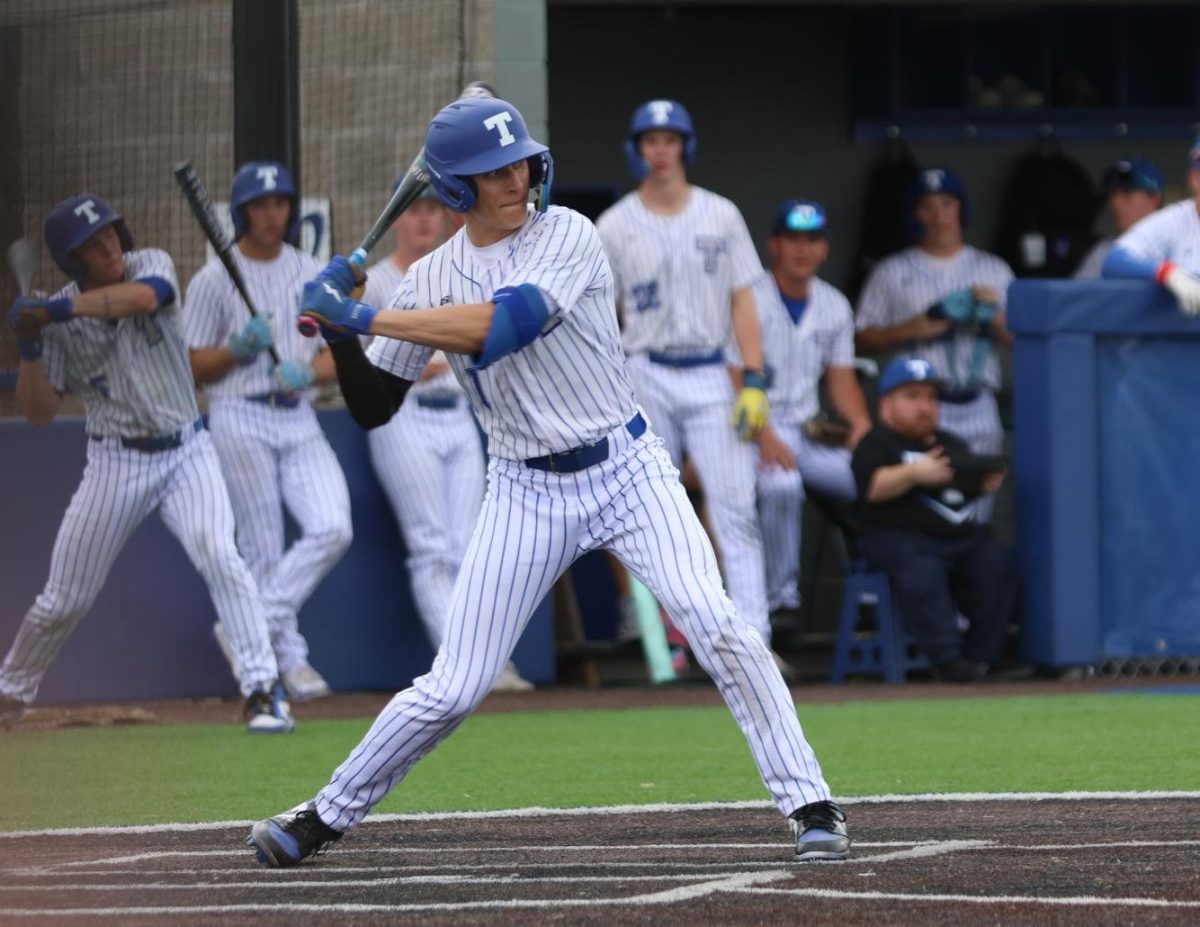
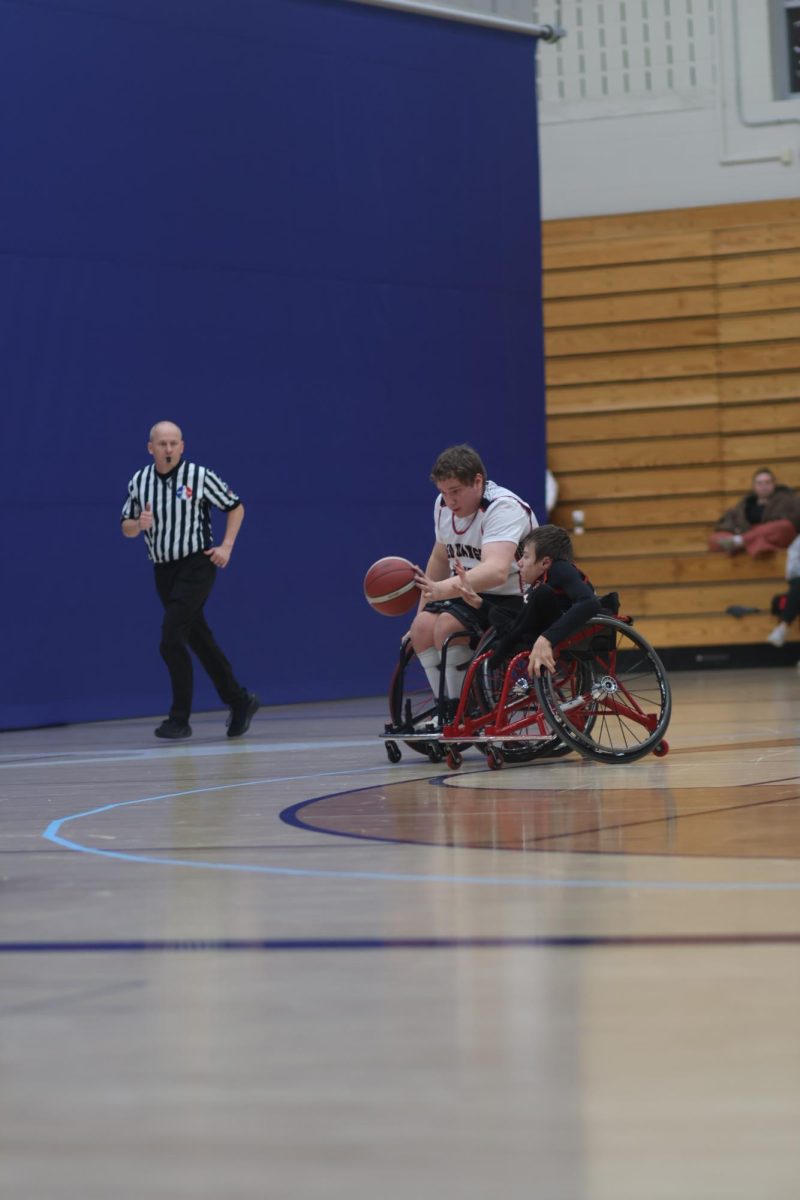






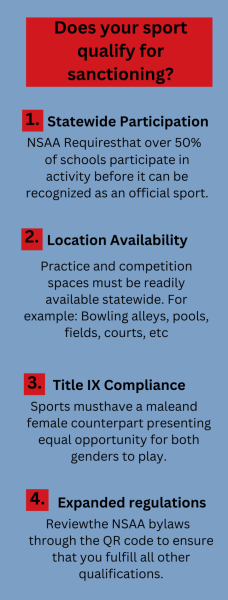
With the widespread popularity of different club sports, athletes and fans might wonder: Why are some sports still considered “club,” and how does a sport become officially school sponsored and recognized by the NSAA?
Many nontraditional athletes would love to see this change for their activity. It often guarantees funding, practice space, and most important, teams to play against.
Former Papio South principal Jeff Johnson, who also served as the school’s first activities director and went on to work as associate director for the Nebraska School Activities Association before retiring, had a lot to say about how a sport could earn formal sanctioning. He emphasized that coaches and athletes for sports looking to earn sanctioned status would be well advised to repeatedly attend board meetings and show athletic directors they were committed.
Athletic directors from schools throughout the state are the ones who have final say on any decision brought to the NSAA. Naturally, the voting representative for each school is their athletic director.
“The NSAA is a member-driven organization, and the members are the schools,” Johnson said. These 307 schools are divided into six districts, and each school has one vote.
Johnson described how the zoning process works: “Lincoln is District One, Omaha is District Two (which includes Papio South), Norfolk is District Three, District Four includes Nebraska City and Auburn. District Five is in the western part of the state, and District Six makes up the Panhandle.”
At first thought, one might assume the people most committed to attending meetings would be the athletes themselves. However, an issue arises with time constraints. Meetings take place only a few times a year, and during school hours. Papio South Activities Director Bubba Penas said he couldn’t remember ever seeing students attend those meetings.
When asked if he could tell one thing to those aspiring to gain more recognition for their activity, Jeff Johnson had this to say: “It’s just not an easy process. It takes some time. Bowling took 10 years to get sanctioned.”
This makes it unlikely that students could start and succeed in the process during the span of their high school career.
Coaches typically are the ones who take up the effort because they have a desire to share the sport with the next generation.
However, it was not coaches who pushed Bowling over the edge in 2020. The people truly devoted to making that sport sanctioned at the high school level were business owners, according to Johnson. Proprietors of bowling alleys played a huge role in convincing athletic directors to vote in favor of that decision. They proved that there was not only enough practice and competition space in the area, but also a communal benefit from supporting these businesses.
While the rigorous process of gaining approval may seem disheartening, there are a few sports to keep on the lookout for in the coming years.
Recently, representatives of Men’s LaCrosse have been attending NSAA meetings and having conversations with athletic directors.
Most teams in Nebraska have regular practice spaces and more than enough neighboring teams for tournament play.
Currently, their only hold back is a lack of approval from schools in the western portions of the State that either do not have facilities or equipment to support another field sports team.
Another group with hopes of one day gaining approval would be powerlifting. Penas recognized that the majority of high schools in the state already have access to weightrooms, which would serve as almost all the equipment needed for the sport. They also have teams that are entirely composed of students from individual schools rather than having to co-op with several other schools.
This is an extremely attractive feature in any sport looking to gain sanctioned status because it proves to the NSAA that the desire for recognition extends beyond a few students at each school.
Everyone deserves a chance to get in the game. Someone just needs to be willing to make that game into a sport.